
A plant is not itself by itself. Its life depends, in large measure, on an eco-system.
People are not so different. Webs of relationships—family, friends, culture—shape how we think, speak, value, and see the world. “Each of us is, in a sense,” writes Carl Truman, “the sum total of the network of relationships we have with others and with our environment.”*
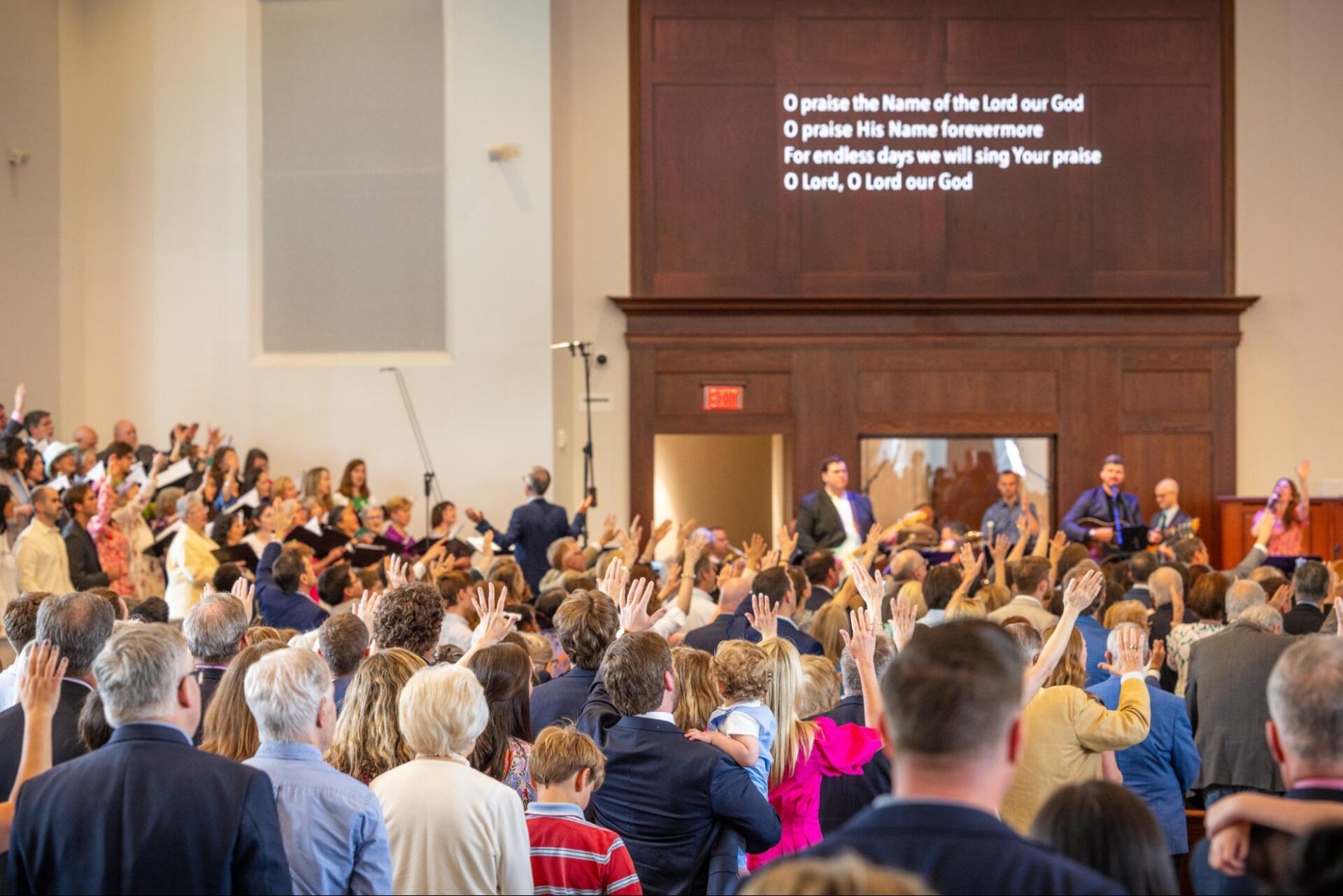
Which is why Christians need to pay attention to the relational and communal nature of salvation and transformation. Church is not merely the building we gather in; it is the new, alternative eco-system we grow in.
All of which raises two questions for us.
First, are we aware of the ecosystem we are currently growing in?
Is it conducive for growing things like,
-
Christian Love: “But I say to you, Love your enemies and pray for those who persecute you” (Matt. 5:44).
-
Christian Hope: “We look not to the things that are seen but to the things that are unseen. For the things that are seen are transient, but the things that are unseen are eternal” (2 Cor. 4:18).
-
Christian Humility: “Do nothing from selfish ambition or conceit, but in humility count others more significant than yourselves” (Phil 2:3).
Second, are we intentional enough in building the alternative eco-systems Christians need?
Like growing tropical plants in a desert, cultivating a Christian life in the modern world requires developing “greenhouse systems” where we can flourish—even in spiritual deserts.
Sam gives us an explanation of this year\u2019s Advent & Christmas Liturgy box.
“},”hSize”:6,”floatDir”:”right”,”isOldBlock”:false,”customThumb”:”691dd30a6c1b1933f29d5c7e”,”url”:””,”resolvedBy”:”native”,”nativeVideo”:”691dd1c40ab7074054db2eda”}” data-block-type=”32″>
In Christ,
The Rev. Dr. Samuel D. Ferguson Rector
*Carl Truman, Rise and Triumph of Modern Self (Wheaton, Il: Crossway, 2020), 404.